Human-Made Certification: Why Human Work Is the New Organic
TL;DR
- Human-made certification is becoming the “organic label” of the AI era. As generative AI floods the market with art, writing, and music, proof that a real person made something is turning into a premium signal.
- Researchers call it the “AI disclosure penalty.” In a 2026 University of Toronto study, people consistently devalued creative work the moment it was labelled AI-made — even when they could not tell the difference blind.
- A parallel authenticity system is already shipping: C2PA Content Credentials, USPTO-registered “human-made” marks, and art galleries stamping works “AI Generation: 0%.”
- The pattern is old. Every wave of mass automation — from power looms to factory farming — has created a premium human track. AI is repeating it for creative and intellectual labor.
- The danger is a two-tier future where verified-human goods become a luxury only the wealthy can afford.
Introduction
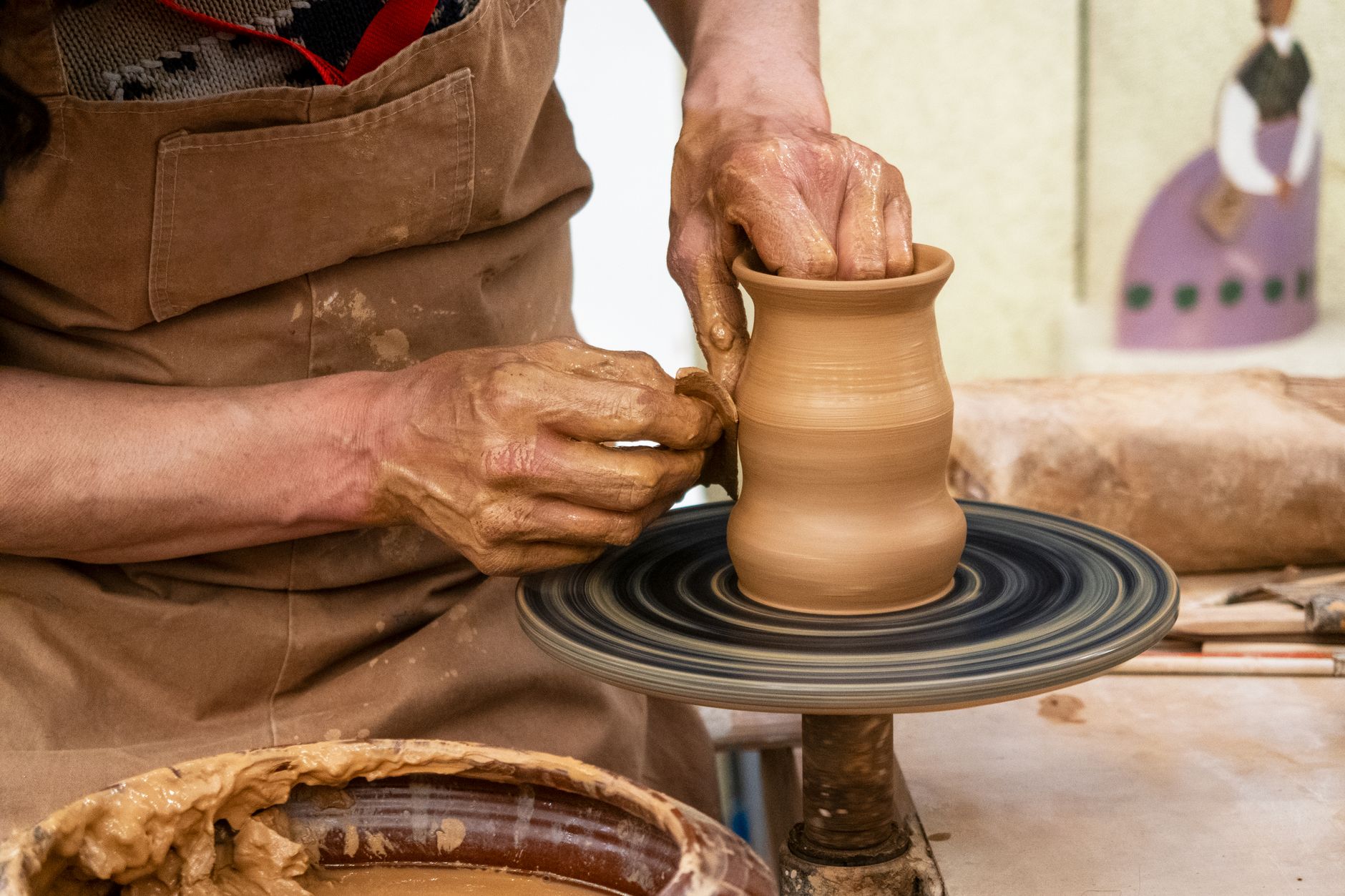
Imagine two identical spoons. One was hand-wrought from silver by a skilled metalworker. The other, a base-metal copy, was stamped out by a machine. Which would you value more?
In 1899, the economist Thorstein Veblen used this exact thought experiment to explain how we assign worth. He predicted people would prize the handmade spoon — not for its looks, but for the costly human labor it embodied.
A century later, the machine can now make almost anything: paintings, essays, songs, even therapy. Yet Veblen’s instinct still holds. Human-made certification is becoming the defining luxury of the AI age. Simply put, it is a verifiable system that proves a work was produced by a real person rather than generated by an algorithm.
The fear that AI will erase human contribution is real, but incomplete. The truer story is that human work is being reclassified — and preserved inside a parallel authenticity system we are only beginning to build.
The AI Threat Is Real — But It Is Not the End of Human Creativity
Why “AI replacing human creativity” is the wrong question
The question “will AI replace human creativity?” assumes creativity is a job to be lost. The better question is what happens to human work once machines can do it too. According to Goldman Sachs’ 2023 economics research, generative AI could expose the equivalent of 300 million full-time jobs to automation globally.
The disruption is not hypothetical — and it compounds the shifts already remaking how and where we work. But displacement is not disappearance. When a task gets automated, the value attached to doing it by hand migrates rather than evaporates. It moves into a category we are only now learning to name.
For a deeper look at that disruption, our earlier piece on the AI impact on human contribution maps where the jobs — and the meaning — actually go.
The real scarcity is no longer skill
Competence used to be scarce. Writing a clean essay, painting a portrait, or drafting code took years to learn and commanded real money. AI has collapsed the cost of competence toward zero.
When something abundant becomes free, value shifts to whatever remains scarce. In a world of infinite machine output, the scarce thing is verifiable human intent — proof that a person chose, struggled, and made something on purpose.
The Organic Precedent: Mass Automation Always Creates a Premium Human Track
This has all happened before. Every time industry floods a market with cheap, uniform goods, a parallel premium track emerges for the handmade version.
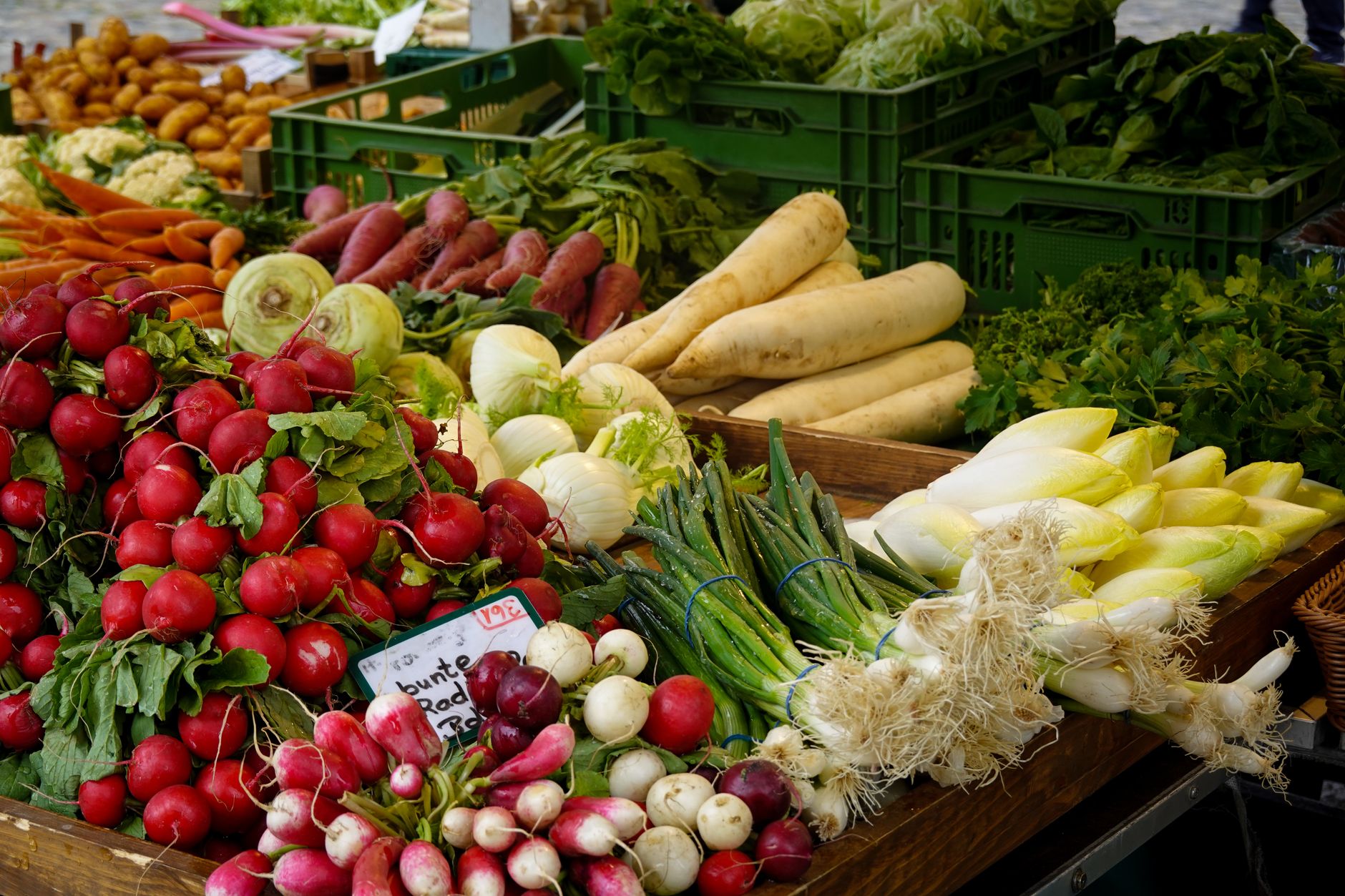
The Industrial Revolution did not kill hand-weaving. It turned hand-woven textiles and hand-built furniture into markers of craftsmanship and status. Factory farming did not eliminate real food. It created the organic label — a certified, audited, more expensive category that shoppers willingly pay extra to buy.
The pattern is consistent enough to bet on: mass automation always births a parallel authenticity track. AI is simply the latest wave, and this time the artisanal good is intellectual and creative labor.
Enter Human-Made Certification — the New “Organic Label”
Human-made certification is the organic label for the AI era. It is a system — part technology, part trademark, part social contract — that verifies a work was made by a human rather than a model.
The demand is already measurable. Researchers Nathan Murray (Algoma University) and Elisa Tersigni (University of Toronto) documented what they call the “AI disclosure penalty.” Across 16 experiments, participants consistently rated creative writing as less valuable the moment they were told it was AI-generated.
Crucially, the work itself did not change — only the label did. A 2024 study in Nature Scientific Reports even found general audiences sometimes prefer bland AI-generated poetry over harder human verse. Taste alone does not decide value; the knowledge of authorship does.
This is why certification, not detection, becomes the prize. If you cannot tell human from AI by looking, the only thing that matters is a trustworthy stamp that says a person made it.
Provenance as a price signal: “AI Generation: 0%”
In the art market, this is already live. Following Article 50 of the EU AI Act — which requires AI-generated content to be labeled in machine-readable form — galleries began stamping certificates with lines like “AI Generation: 0%.”
That figure is not about the artwork. It is about the market. As the art platform Fakewhale reported in 2026, the percentage of AI involvement has become a price signal, with low-AI works positioned as premium and undisclosed works pushed to the margins.
Value now accrues to what a work excludes. The artist is no longer just the creator; they are the certifier of a machine’s absence.
The Parallel System Being Built Right Now
The pieces of this parallel system are already shipping, and they stack into three layers.
C2PA Content Credentials — the technical layer
The Coalition for Content Provenance and Authenticity (C2PA) maintains the Content Credentials standard — a cryptographic trail attached to a file that records how it was made. Major AI tools now embed it by default, including Adobe Firefly, OpenAI’s DALL·E and Sora, Google Imagen, and TikTok. Google has even begun using Content Credentials to label AI-generated images in Search results.
The infrastructure for provenance is not theoretical. It is running in production across the biggest platforms on the internet.
Human Intelligence® and the rise of human-made certification marks
On top of the tech layer, a commercial one is forming. Human Intelligence®, whose “Humanright” mark is a registered trademark with the U.S. Patent and Trademark Office, verifies creators as natural persons and licenses them a seal confirming their work is genuinely human-made. Its team contributes to the C2PA standard and to the Copyright Alliance, which represents over 2 million creators.
This is human-made certification as a brand. The mark tells buyers two things at once: a person made this, and you cannot scrape it without permission.

The mechanics behind human-made certification
Proving humanity is genuinely hard, which is why the systems above exist. Today it is done through a combination of cryptographic provenance (Content Credentials), detailed process documentation, and verified identity. The goal is to make “a human made this” a checkable fact rather than a bare claim — the way “organic” is audited rather than simply asserted.
Why We Still Pay More for Human Work
Effort as signal and imperfection as authenticity
We do not value human work only for its beauty. We value it because it cost someone something. Consumers have long paid more for goods labeled handmade, handcrafted, artisanal, or bespoke — precisely because those goods took more human effort and skill.
In an AI-saturated feed, visible effort becomes the new status signal. A handwritten note stands out precisely because an email is free. AI tends toward a polished, competent average; humans produce flawed, singular work — and the flaw is part of the proof.
As the writer Joanna Maciejewska put it: “I want AI to do my laundry and dishes so that I can do art and writing — not for AI to do my art and writing so that I can do my laundry and dishes.”
Stakes, struggle, and the cost that makes work mean something
AI has never felt pain, suffered a loss, or faced a blank page. When it writes about heartbreak, it trades in borrowed emotion. People sense the difference, and they resent being moved by a parlor trick.
That resentment is not irrational. It is the same instinct that makes a hand-thrown ceramic bowl worth more than an identical factory one. The value lives in the stakes — the real risk, time, and experience a human brought to the work. When effort costs nothing, meaning drains out.
The Two-Tier Risk: When the Human-Made Becomes a Luxury
Here is the danger nobody is building a guardrail for. If verified-human work becomes a premium category, it risks becoming a luxury only some can afford — like farm-to-table food today, which everyone admires but not everyone can buy.
The same forces lifting human-made certification could hollow out the middle. Cheap, abundant AI output becomes the default for most people, while authenticated, human-made work becomes a marker of class. The parallel system would then preserve human contribution — but only for those who can pay for the premium track.
Avoiding that future is a design choice, not an inevitability. It depends on whether certification stays open and accessible, or gets captured by platforms that gatekeep who counts as “verified human.”
Frequently Asked Questions
Will AI replace human creativity?
AI will automate many creative tasks, but it will not replace the value people place on human creativity. As the “AI disclosure penalty” shows, audiences actively devalue work once they know it is AI-made. Human creativity is not disappearing — it is becoming a premium.
What is human-made certification?
Human-made certification is a verifiable system that proves a work was created by a real person, not generated by AI. It combines cryptographic provenance, process records, and identity checks — much like the organic label does for food.
How can you prove content was made by a human?
Through tools like C2PA Content Credentials, which embed a cryptographic record of how a file was made, alongside process documentation and identity verification. The aim is to make human authorship an auditable fact rather than a bare claim.
Is human-made work becoming more valuable?
Yes. As AI makes competent output abundant and cheap, verifiable human effort becomes scarce — and scarcity drives value. The Industrial Revolution did the same thing to handmade goods, turning them into premium markers of craft.
What is the authenticity economy?
The authenticity economy is the emerging market in which proof of human authorship is itself a source of value. It spans certification marks, provenance technology, and premium human-made goods that compete directly with AI-generated output.
Conclusion
Human contribution is not ending. It is being reclassified, revalued, and preserved inside a parallel system — part certification, part technology, part social contract — that we are building in real time.
The question was never whether AI would replace us. The question is what we decide a “human-made” stamp is worth, and who gets to carry one.
So here is the real choice: do we let authentic human work become a gated luxury, or do we build a parallel system where being human stays within everyone’s reach? Which track are you on?
Deep Focus — The Complete Method
The full deep-focus system: routines, environment design, and tools to do real work without distraction. Requires a passkey.
Enter the passkey you received to reveal your download.